 02 · Le Petit SubOctober 2026
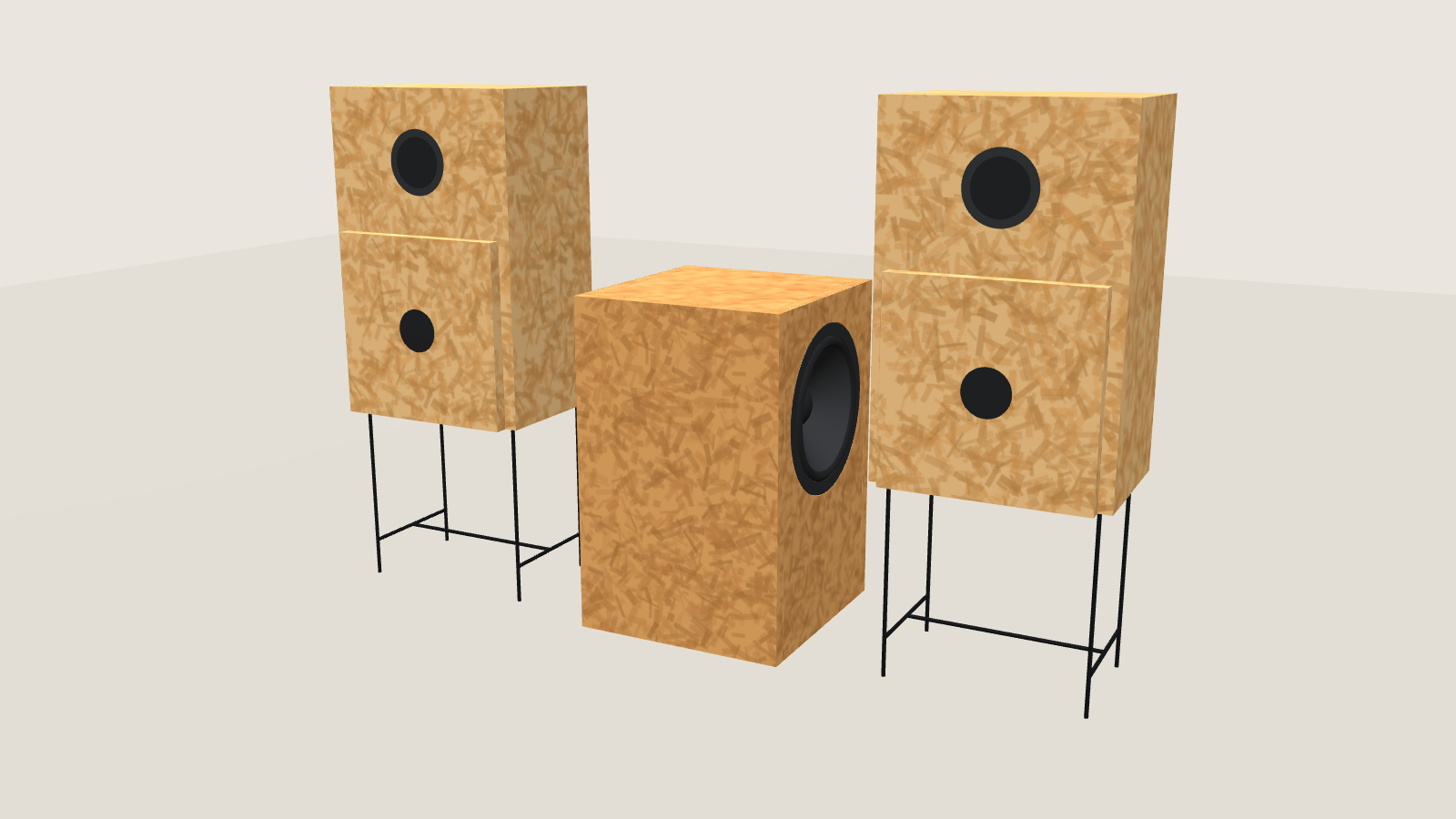
Le Petit Sub
Le Petit's bigger twin: two opposed 10″ drivers, built from one sheet of OSB.
Measure & Taste · There is no correct sound, only the endless, joyful search for yours. Principles of sound exploration →
≈ 40 lnet, sealed and braced, 44.0 l gross
2 × 10″SB Acoustics SB26SFCL38-4, opposed
340 × 530Le Petit's front, 350 mm deep
≈ 18 kgOSB ≈ 12.5 kg, drivers 2 × 2.9 kg
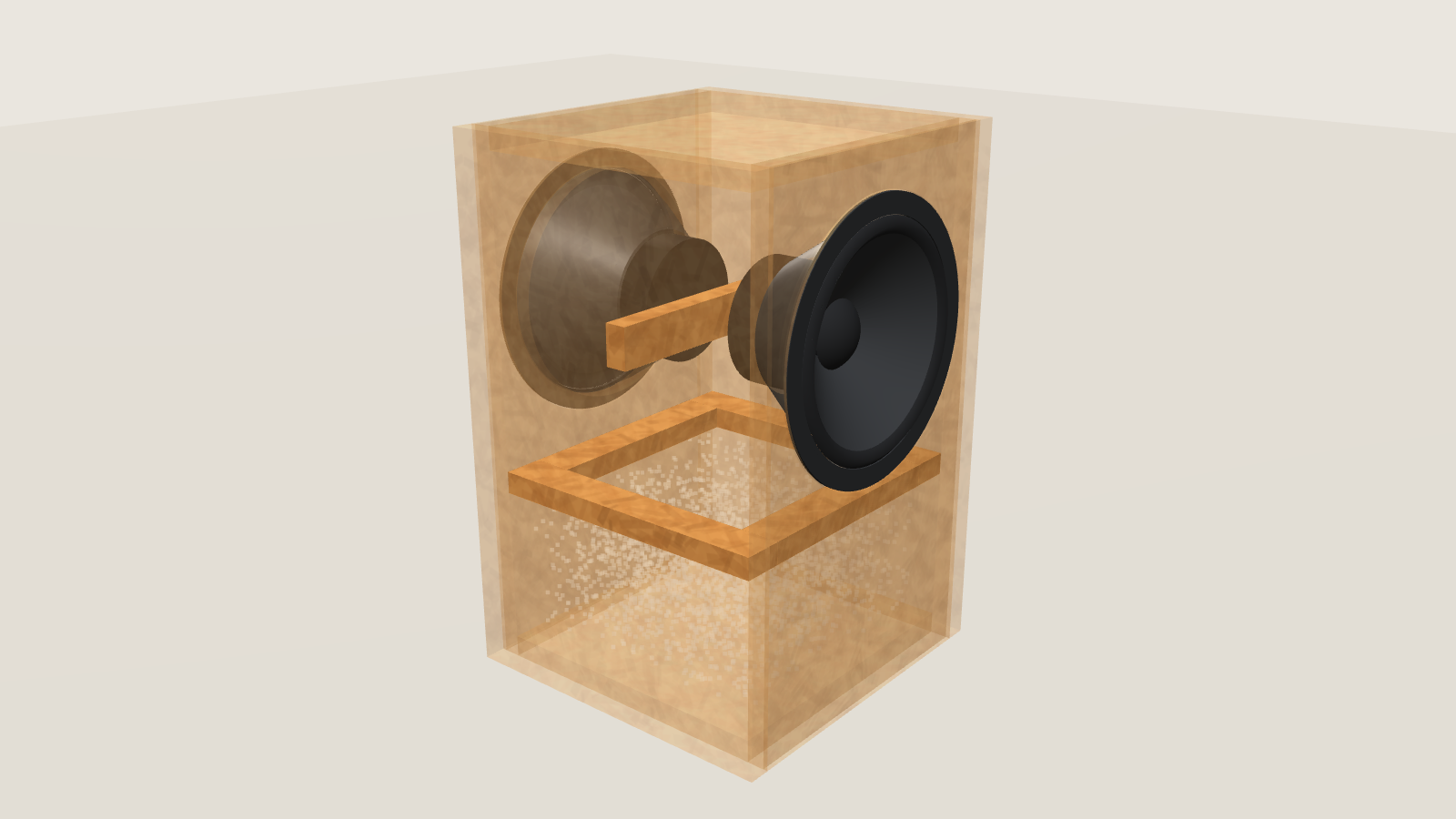 Wool in the lower half300–500 g loose, below the window brace.
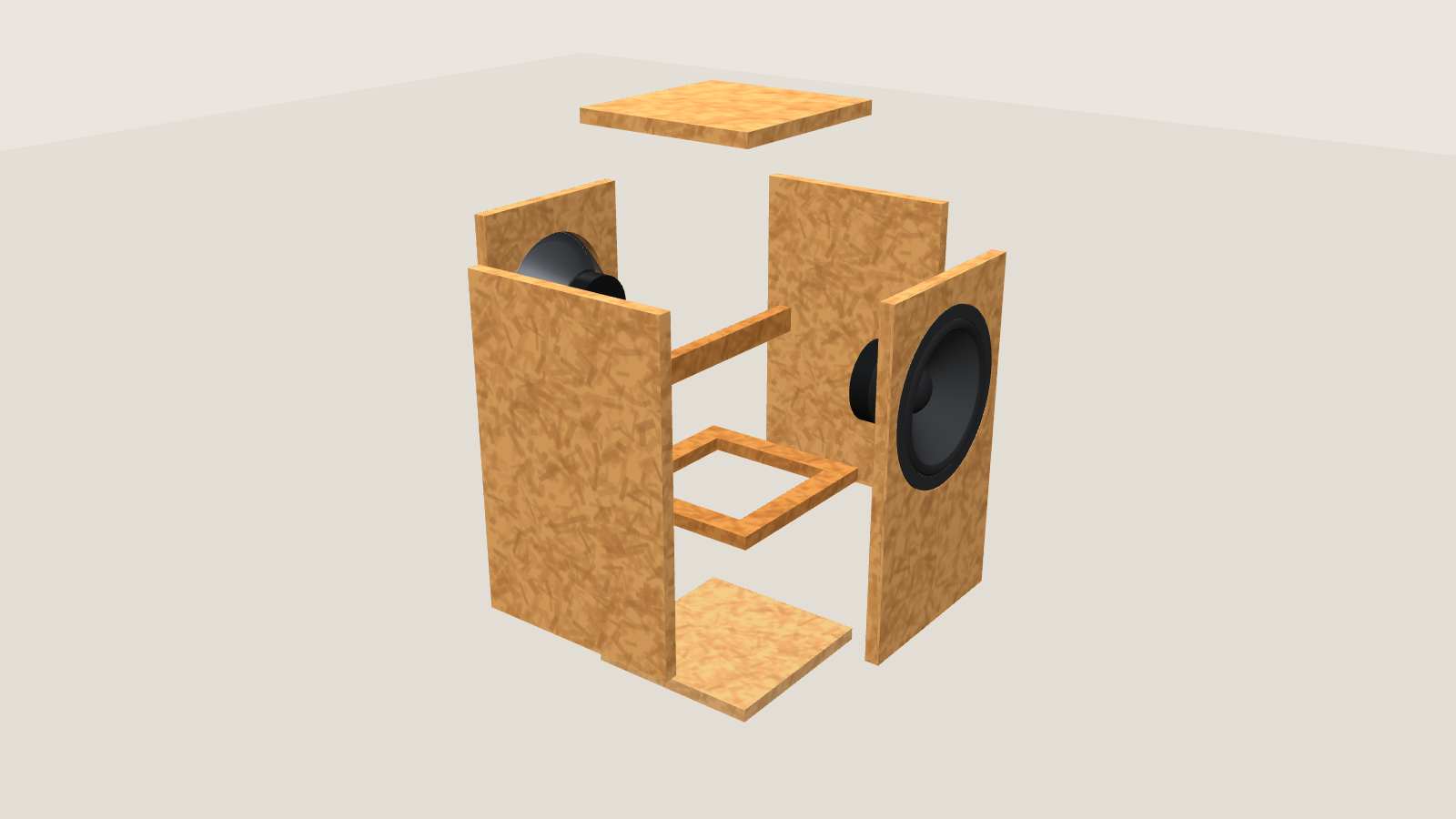 Glued shutFull 340 × 530 plates front and back.
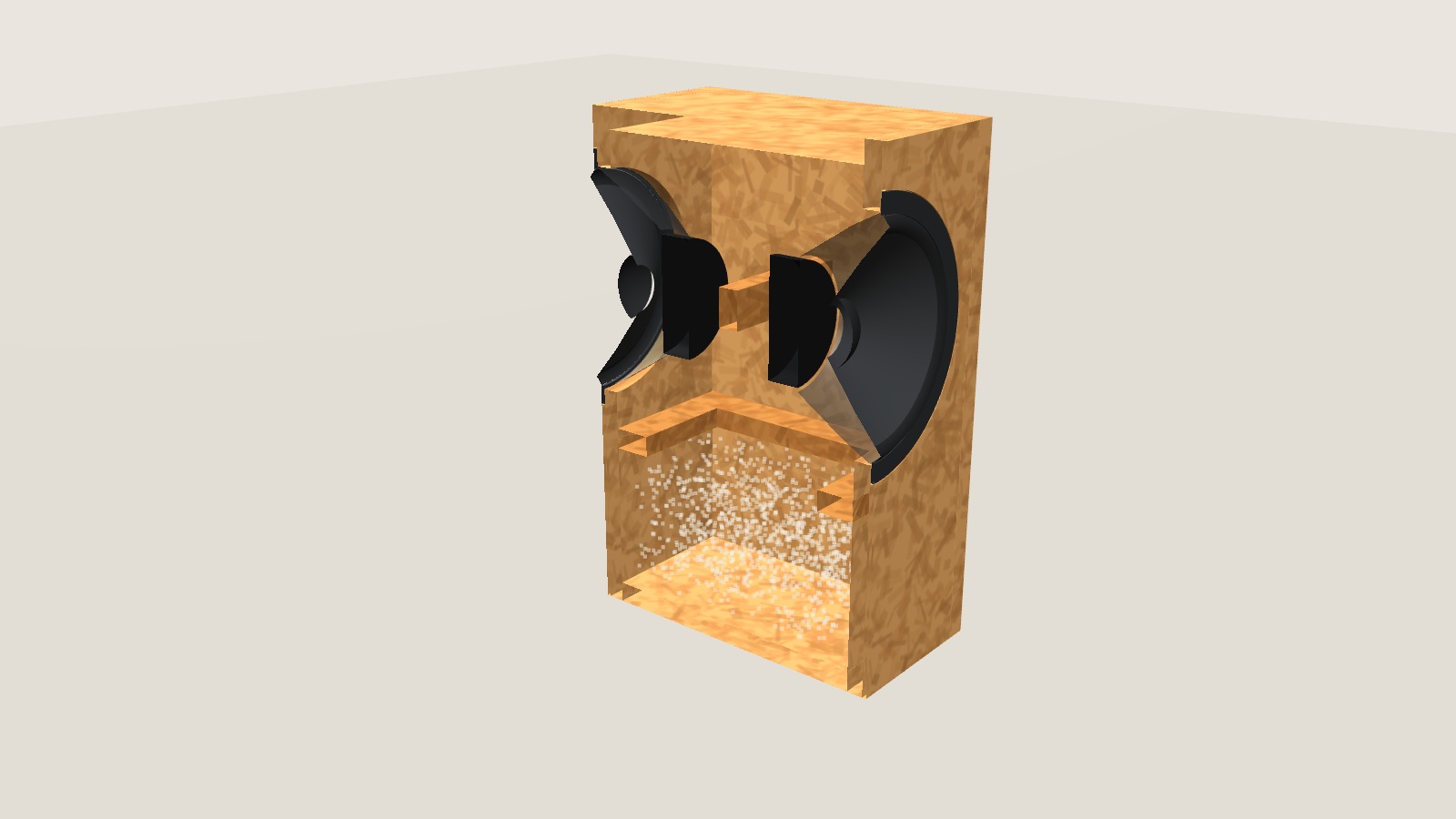 Braced insideA tie strip between the magnets, a window brace below.
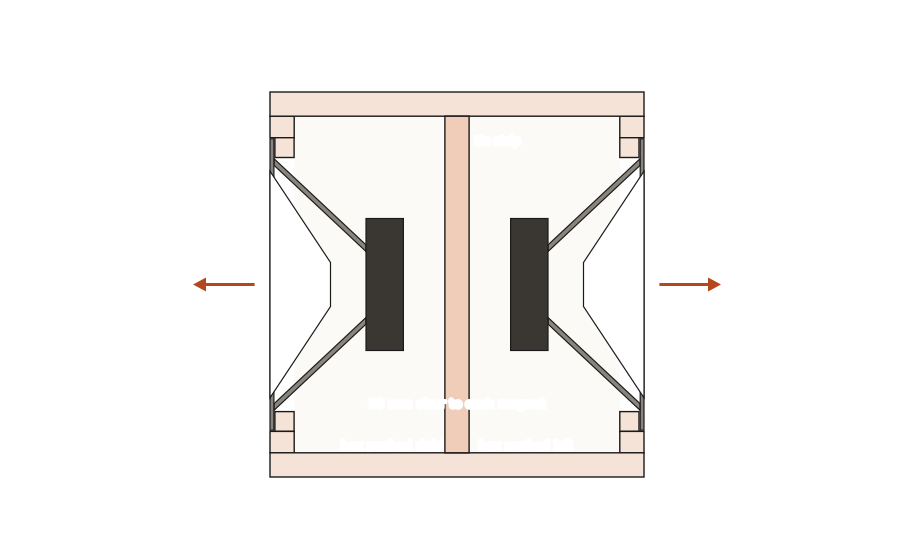
Both cones move out together, so the forces on the box cancel: it doesn't rock, buzz or walk.
Below 80 Hz you can't hear where bass comes from, so one sub between the pair is enough.
Le Petit stays Le Petit: its strength is the midrange and the coherence of one full-range driver. The sub only takes over the bottom octaves.
rich1704 · Documentation CC BY-SA 4.0 · companion to Le Petit, designed by Jean Hiraga, 1983Also: 01 · Le Petit →