 Principles of sound exploration
There is no correct sound, only the endless, joyful search for yours.
Recordings are mixed by people, in rooms, to taste. Playback can never be a window onto an original you were never part of, so the goal is not fidelity but finding what you love, for the music and the moment you are in.
Foundationwhat makes it possible
Technical freedomDSP and affordable class D amps make every speaker reconfigurable. Crossovers, EQ and voicings change in software, so you are never locked in.
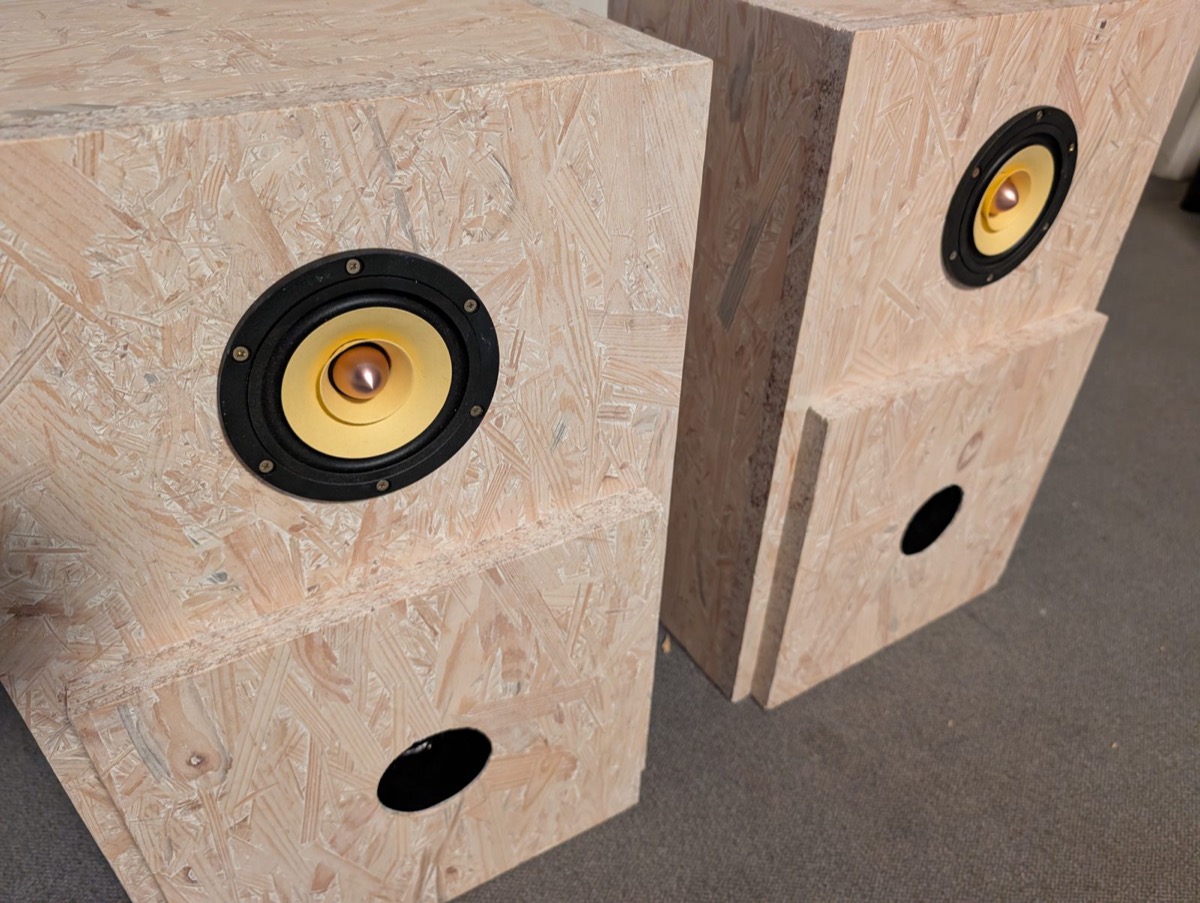
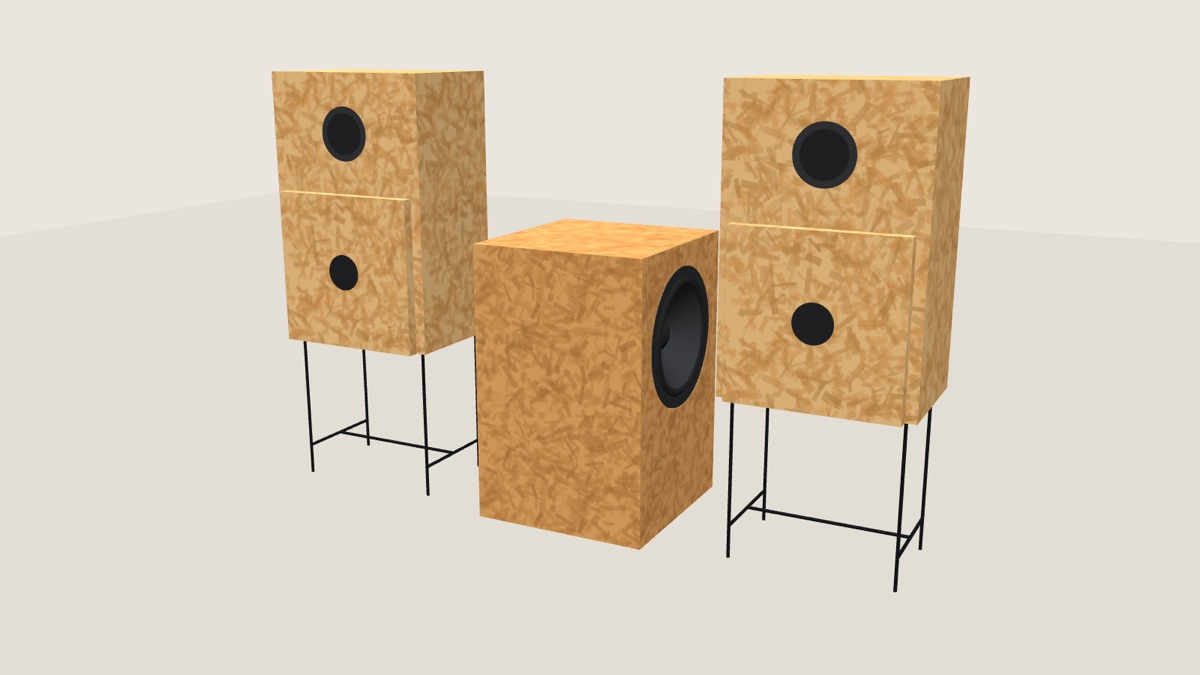
Physical paletteBox, open baffle, horn and subwoofer move air in physically different ways. Built as cheap DIY, they form a palette to combine, even in unusual ways. The room is part of the instrument.
Way of workinghow to use it
Measure to understandA calibrated microphone and real data make every experiment deliberate. Compare level-matched, because louder always sounds better.
Taste decidesNo dogma. EQ, presets and voicings for different music or moods are legitimate. Changing your mind is part of the game.